
Diagnosing the Megacity
The State hospitals in downtown Shanghai bustled with people’s murmurs and the mechanical voice of the queue management system. Yet nearby, a Traditional Chinese Medicine clinic sat quietly inside People’s Pharmacy.
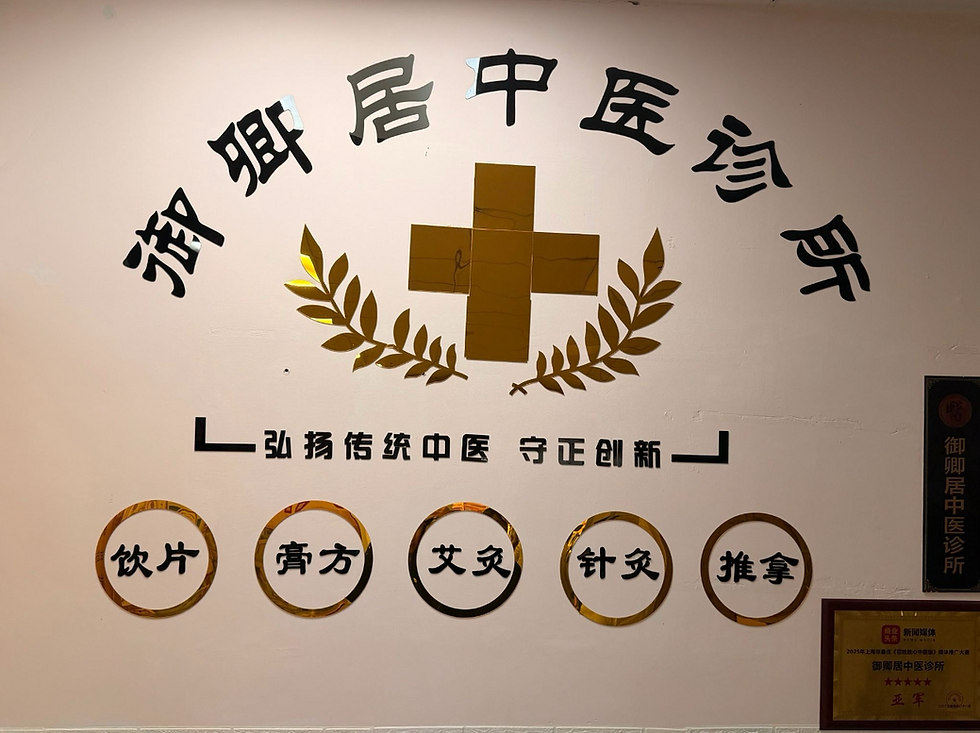
Dr. Hu was sitting by the counter, speaking ardently about modern development and medical principles of Chinese Medicine with a medicine book opened in front of her.
“Traditional Chinese Medicine is not developing very well now,” she said, “because of its lack of profit.”
“The major hospitals in Shanghai are so famous, they’ve been hyped up to this extent, becoming a central pillar of Shanghai’s economy.” Behind the city’s glamour lies another kind of “illness.”
The change was rapid.
Dr. Hu was originally from Chengdu, Sichuan, and was forced to move to Shanghai during the COVID-19 pandemic. She has stayed here since then.
“To be honest, I don’t really like Shanghai’s swarming city life. Everything is so cold, so fast, so unlively,” she paused. “Sometimes, I think about the small forest below my apartment in Chengdu. Life is slow there, good for meditating in nature.”
As a Traditional Chinese Medicine Practitioner, Dr. Hu advocates for the idea that the ultimate goal of one’s life is happiness and inner peace— a view strikingly similar to Ancient Greek philosophy. She finds it ironic how the development of urban society has seen a steady decline in the number of people who are able to execute this simple “truth”.
“Shanghai is inundated with Capitalism and profit-driven ideologies,” she sighed. “In fact, most people’s thoughts nowadays are too materialistic.”
The start of her Chinese Medicine life in Shanghai didn’t begin smoothly due to this perpetuating ideology. She recounted that at the first clinic she worked at, the boss forced them to serve customers by doing jobs like helping them carry their shoes. “I left immediately,” she said firmly.
Despite escaping that “dystopian” clinic, the memory still lingered. “It’s very heartbreaking, seeing that Traditional Chinese Medicine is disrespected even by fellow Chinese citizens.”
She added, “I think they were simply victims of rapid societal change, shaped by an excessive admiration for non-Chinese cultures that eroded their cultural identity and weakened their sense of ideals.”
It’s true that technological advancements and rapid urban life have created a more convenient and efficient society. Yet this same environment has also fostered an overemphasis on material success, gradually eroding genuine contribution and mutual support.
Despite this, there are still people who protect Traditional Chinese Medicine, allowing it to stand firm amidst the turmoil. Dr. Hu herself is a paradigm. She has been working in this profession for more than ten years.
“Why?” I asked.
“Love.” Her answer was affirmative.
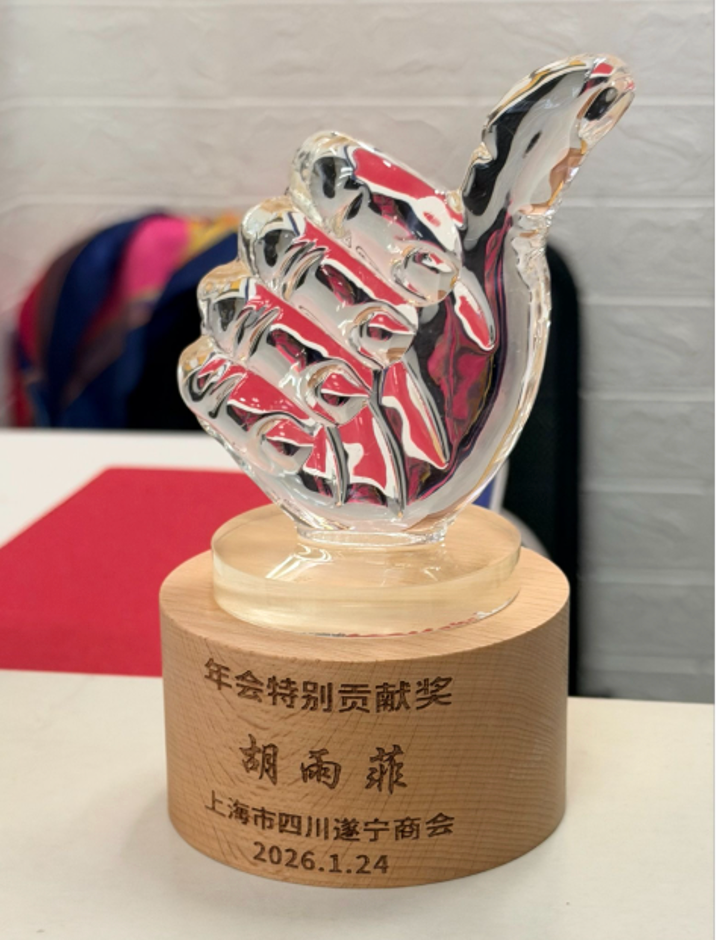
In fact, Traditional Chinese Medicine has become a lifestyle for Dr. Hu.
“It not only taught me how to help and heal others, but it also taught me to care for myself and live more healthily. It gave me a lens through which to understand the world and human nature, and encouraged me to resist a degenerate way of living,” she said with a thoughtful smile.
“I just hope more people can understand.”
Traditional Chinese Medicine is about the connection between people, about thinking, and about the interaction of life.
Perhaps, in the thriving economic center of Shanghai, Traditional Chinese Medicine may well be the “soothing balm” that our era most desperately needs.
“Studying Traditional Chinese Medicine is the best decision I’ve ever made,” said Dr. Hu.


Comments